Domestic Violence Survivors Face Increased Barriers as a Result of Federal Immigration Agents
- Posted by Sarah Swiston
- On May 22, 2026
- Chicago, chicago metropolitan area, Chicago suburbs, children survivors dv, Domestic Violence, domestic violence agency, domestic violence agency chicago, domestic violence organization, domestic violence survivors, DV agency, End Domestic Violence, Federal Immigration, immigration agents, WINGS, WINGS Program
Despite Illinois laws and local Cook County executive orders prohibiting federal immigration agents from making arrests at state courthouses or staging on county property, the Chicago Sun Times recently reported that Federal Immigration agents have been spotted entering or waiting outside a specific Domestic Violence Courthouse in Chicago starting late February into March. The article reports that at least two of these instances resulted in a person being arrested. The presence of Federal Immigration agents onsite significantly adds to the already weighty decision survivors must make on their journey to freedom from abuse.
Barriers to Escaping Abuse

Domestic violence is based on power and control. There are many common tactics people who cause harm use to cause survivors to feel powerless and unable to leave:
- Financial Abuse – Examples include not allowing the survivor to access money, work, or access career education.
- Emotional Abuse – Examples include name calling, humiliating the survivor, or playing mind games.
- Using Children – Examples include threatening to take the children away or using the children to make the survivor feel guilty.
However, Latinx survivors may also face additional barriers due to cultural factors, threats, and isolation.
Cultural Factors
Domestic violence affects all cultures and backgrounds. A person’s culture can impact how abuse is internalized and how willing they may be to reach out to organizations for assistance. Within the Latinx community, religion, traditional gender role expectations, and a strong family value to keep the family together no matter what, can all negatively impact a survivor from recognizing the abuse and taking actions to gain freedom from the relationship.
Threats
In addition to their partner threatening with violence, Latinx survivors may also fear threats that their partner might report the survivor to immigration agents to be deported.
Often survivors of domestic violence are encouraged to file Orders of Protection against the person in their life, causing them harm. However, with Federal Immigration agents onsite at courthouses, this may be just as harrowing a decision as leaving.
Isolation
People who cause harm often isolate survivors from family and friends. An added barrier can be if the survivor is Spanish speaking, leaving the abuser can feel even more daunting if they feel like a service provider is unable to communicate with them.
Unfortunately, Domestic Violence has been on a dramatic rise since the pandemic. Research shows that sheltering in place with a partner causing harm, as many undocumented survivors may now be doing, make it challenging for the survivor to access services. Compounding the issue, added economic uncertainty can escalate tensions within households and lead to increased violence.
WINGS is Here to Help

Domestic violence crosses all ethnic backgrounds, ages, religions and socioeconomic boundaries. WINGS is here to help.
The agency provides adult and child survivors with life-saving services, offered in English and Spanish.
For emergency shelter and crisis assistance call:
(847) 221-5680
For housing, counseling, mentoring, call WINGS Intake Line:
(847) 519-7828
4 Ways You Can Help
Reading this article and staying informed about how policies are affecting survivors of domestic violence is a critical first step in being an ally for survivors. Here are additional ways you can immediately provide a positive impact on the lives of domestic violence survivors and their families.
1) Donate:
Contacts to the Illinois Domestic Violence Hotline continue to grow year over year, while federal VOCA funding is declining. Your donation helps survivors of domestic violence access life-saving resources and work toward their dreams.

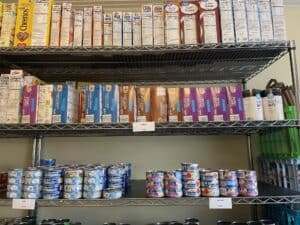
2) WINGS Pantry:
Help meet survivors’ basic needs by donating personal care items, cleaning supplies, holiday gifts, and more.
3) Volunteer:
Volunteers are crucial to WINGS mission. You can make an impact: sort donations, assist at WINGS Resale, become a mentor, serve on our board of directors, and more.

Volunteers Maria and Nira at WINGS Suburban Safe House.
4) Donate to and Shop WINGS Resale:
Donate your gently used clothing, housewares, and furniture to one of our three WINGS Resale locations: Arlington Heights, Niles, and Schaumburg. Survivors select items from our three stores and proceeds benefit our programs.

You Might Also Like:

WINGS Purple Tie Ball…Behind Every Mask is a Story of Strength

WINGS Graduates are Celebrated and Share Impact

Teen Advocate Turns Handicrafts Into Donations

Denise Brown Promotes WINGS and Her New Book, For My Sister Nicole, at Lafayette 148
